Cloud Access Control System in Dallas–Fort Worth
What Is a Cloud Access Control System?
A cloud access control system manages door and gate access through a cloud-hosted platform instead of a local server. Credentials, access schedules, audit logs, and system configuration are all stored and managed in the cloud — accessible from any web browser or mobile app. When someone presents a card, fob, PIN, or mobile credential at a reader, the door controller communicates with the cloud platform to authorize or deny entry. Cloud access control systems eliminate the need for on-site servers, reduce IT overhead, and allow facility managers to add or revoke credentials instantly from anywhere.
Cloud Access Control Systems We Install

Verkada Access Control
Verkada’s cloud access control system is fully integrated with their security camera platform — door events are automatically tagged to video clips, so every access event has a visual record. Verkada readers support card, PIN, and mobile credentials from the same hardware. The Verkada Command cloud dashboard provides real-time occupancy data, door status monitoring, and remote unlock from any browser. Verkada is the preferred cloud access control system for multi-site commercial properties, corporate campuses, and healthcare facilities that also run Verkada cameras.
Ubiquiti UniFi Access
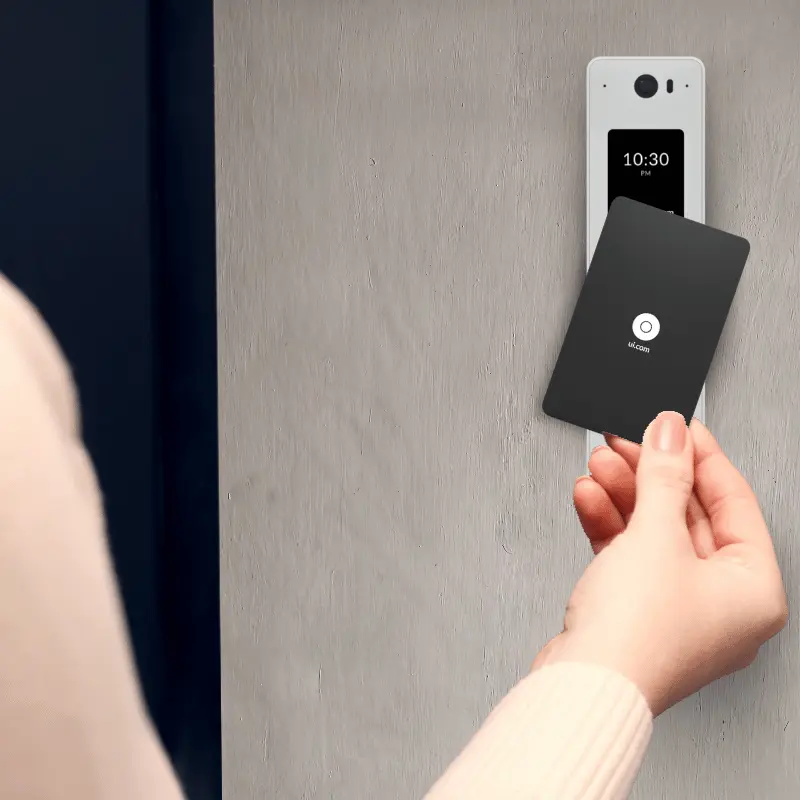
UniFi Access is Ubiquiti’s cloud-managed access control system, managed through the same UniFi Site Manager platform as your network and cameras. UniFi Access readers support NFC mobile credentials, PIN codes, and proximity cards. For organizations already running UniFi networks and cameras, UniFi Access adds door control to a unified dashboard with no additional software licensing. UniFi Access scales from a single door to hundreds of doors across multiple sites — all managed from one cloud account.

Openpath Cloud Access Control
Openpath (now LenelS2 Elements) is a cloud access control system designed for enterprise deployments — multi-tenant office buildings, coworking spaces, and organizations requiring advanced visitor management and occupancy analytics. Openpath readers support touchless mobile unlock (wave to unlock), video intercom integration, and flexible credential types. The cloud dashboard supports role-based administration, making it easy to manage access for different departments, floors, and shifts across multiple locations.
Brivo Cloud Access Control
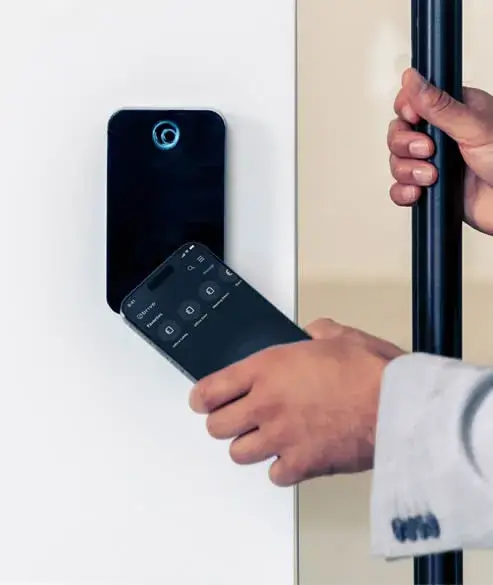
Brivo is one of the longest-running cloud access control platforms — purpose-built for multi-tenant properties, property managers, and distributed enterprises. Brivo’s cloud access control system supports card, mobile, and biometric credentials, integrates with building management systems and visitor management platforms, and provides detailed compliance audit trails. Brivo is commonly deployed in apartment communities, office parks, and school campuses that require per-tenant or per-department access partitioning.
Cloud Access Control vs. Traditional On-Premise Access Control
| Feature | Cloud Access Control | On-Premise Access Control |
|---|---|---|
| Server required | No — cloud-hosted | Yes — local server |
| Remote management | Full — any device, anywhere | Limited — VPN or on-site only |
| Credential changes | Instant, real-time | Requires server access |
| Multi-site management | Single dashboard | Separate servers per site |
| Software updates | Automatic, cloud-pushed | Manual IT updates required |
| Upfront cost | Lower hardware cost | Higher (server + software) |
| Ongoing cost | Monthly per-door subscription | Lower ongoing after install |
| Offline operation | Yes — controllers cache credentials locally | Yes |
Cloud Access Control Integration
Every cloud access control system we install is integrated with the access hardware and systems already in your facility. 2M Technology handles complete turnkey integration:
- Card readers and key fob readers — migrate existing credentials to the new cloud platform where possible
- Mobile credentials — configure iOS and Android unlock via Bluetooth or NFC; eliminate physical cards where appropriate
- Video intercom systems — tie visitor video verification to door release through the cloud dashboard
- Security cameras — link door events to video clips for unified audit trails
- Electric door locks and mag locks — install or integrate fail-safe and fail-secure hardware
- Vehicle gate operators — extend cloud access control to parking gate entry points
- Elevator access control — restrict floor access by credential level in multi-story buildings
- Visitor management systems — generate temporary cloud credentials for visitors with automatic expiry
Cloud Access Control Installation — DFW Service Area
We install cloud access control systems throughout Dallas–Fort Worth — including Dallas, Fort Worth, Arlington, Plano, Frisco, McKinney, Allen, Garland, Irving, Grand Prairie, Carrollton, Lewisville, and Denton. Our technicians handle complete installations: door hardware, wiring, controller mounting, cloud account setup, credential migration, and staff training. Most single-site cloud access control system installations are completed in one day. Multi-site deployments are scheduled in phases to minimize operational disruption.
Frequently Asked Questions
How much does a cloud access control system cost in Dallas?
Cloud access control system installation in Dallas–Fort Worth typically costs $800–$2,500 per door installed, including the reader, controller, door hardware, and wiring. Cloud platform subscriptions run $5–$25 per door per month depending on the platform and feature tier. A 10-door office installation runs approximately $12,000–$20,000 installed plus $50–$250/month for the cloud subscription. Verkada and Openpath are at the higher end; UniFi Access has no per-door subscription fee. Contact us for a site-specific quote — pricing depends on door count, hardware type, and integration requirements.
Can a cloud access control system work if the internet goes down?
Yes. All cloud access control systems we install store credentials locally on each door controller — so doors continue to operate normally during an internet outage. When connectivity is restored, the controller syncs any access events back to the cloud dashboard. Remote management (adding or revoking credentials, unlocking doors remotely) requires an active internet connection, but day-to-day door operation does not.
Can I keep my existing access cards with a new cloud access control system?
In most cases, yes. Cloud access control readers support standard 26-bit Wiegand and OSDP protocols, which means existing 125 kHz proximity cards and 13.56 MHz smart cards can often be enrolled in the new cloud platform without re-issuing credentials. We audit your existing card technology before recommending a platform to confirm compatibility. If your facility uses outdated 125 kHz HID cards, we recommend migrating to smart cards or mobile credentials during the upgrade for improved security.
What is the difference between Verkada and UniFi Access for cloud access control?
Verkada is the better choice when your facility already uses Verkada cameras — the tight video-access integration and unified Command dashboard are significant operational advantages. UniFi Access is the better choice when you already run a UniFi network — no additional subscription fees and full integration with your existing UniFi infrastructure. Verkada has a more polished enterprise feature set and stronger multi-tenant support; UniFi Access has a lower total cost of ownership for UniFi shops. We install both and will recommend the right cloud access control system for your existing infrastructure and budget.
Can one cloud access control system manage multiple locations?
Yes — multi-site management is one of the primary advantages of cloud access control over traditional on-premise systems. Verkada Command, UniFi Site Manager, Openpath, and Brivo all support managing unlimited locations from a single cloud dashboard. You can view door status, access logs, and live video across all sites simultaneously. Credential changes apply across all sites instantly — ideal for employees who work across multiple locations or contractors who need temporary access to specific buildings.

