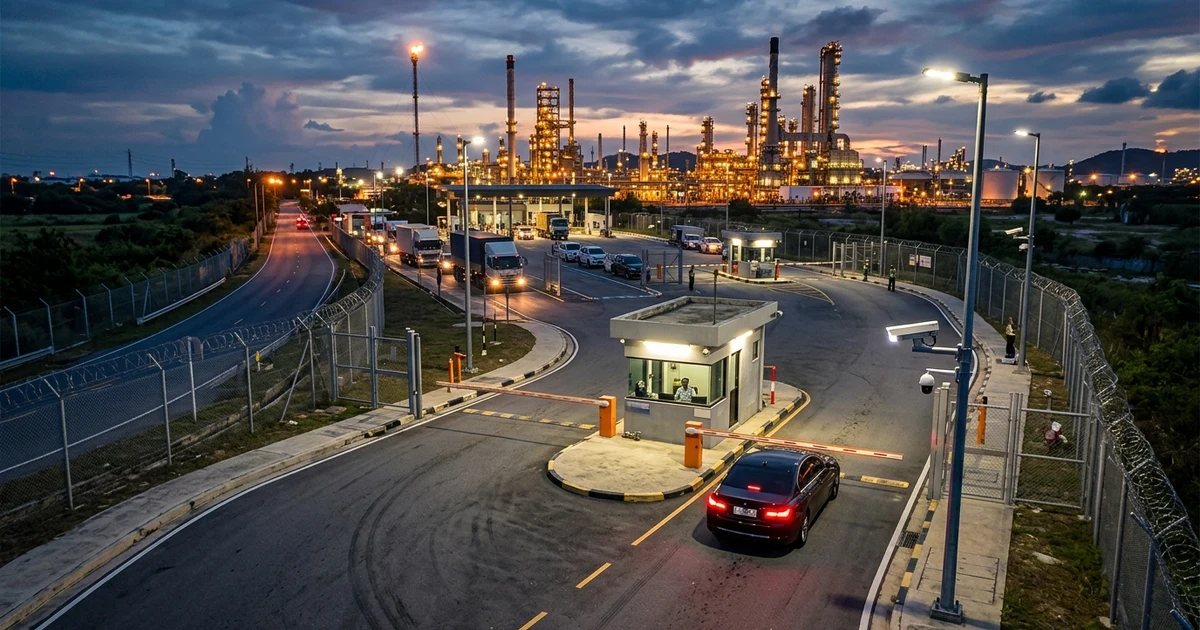
Distributed operational security infrastructure -- integrated camera, access control, and network platform for large Texas industrial sites by 2M Technology

By 2M Technology Engineering
|Updated May 2026
|Construction · Industrial · Oil & Gas · Logistics · Large Sites
Infrastructure Engineering for Large Sites
Interoperable Distributed Operational Security Infrastructure

Modular checkpoint containers, solar perimeter surveillance nodes, cloud LPR from Placa.ai, and cloud VMS from Ifovea — engineered as a unified operational system for construction megaprojects, industrial facilities, oil & gas sites, logistics yards, and large private properties.

Modular Container Checkpoints
Solar Perimeter Nodes
Placa.ai Cloud LPR
Ifovea Cloud VMS
Open Architecture Access Control
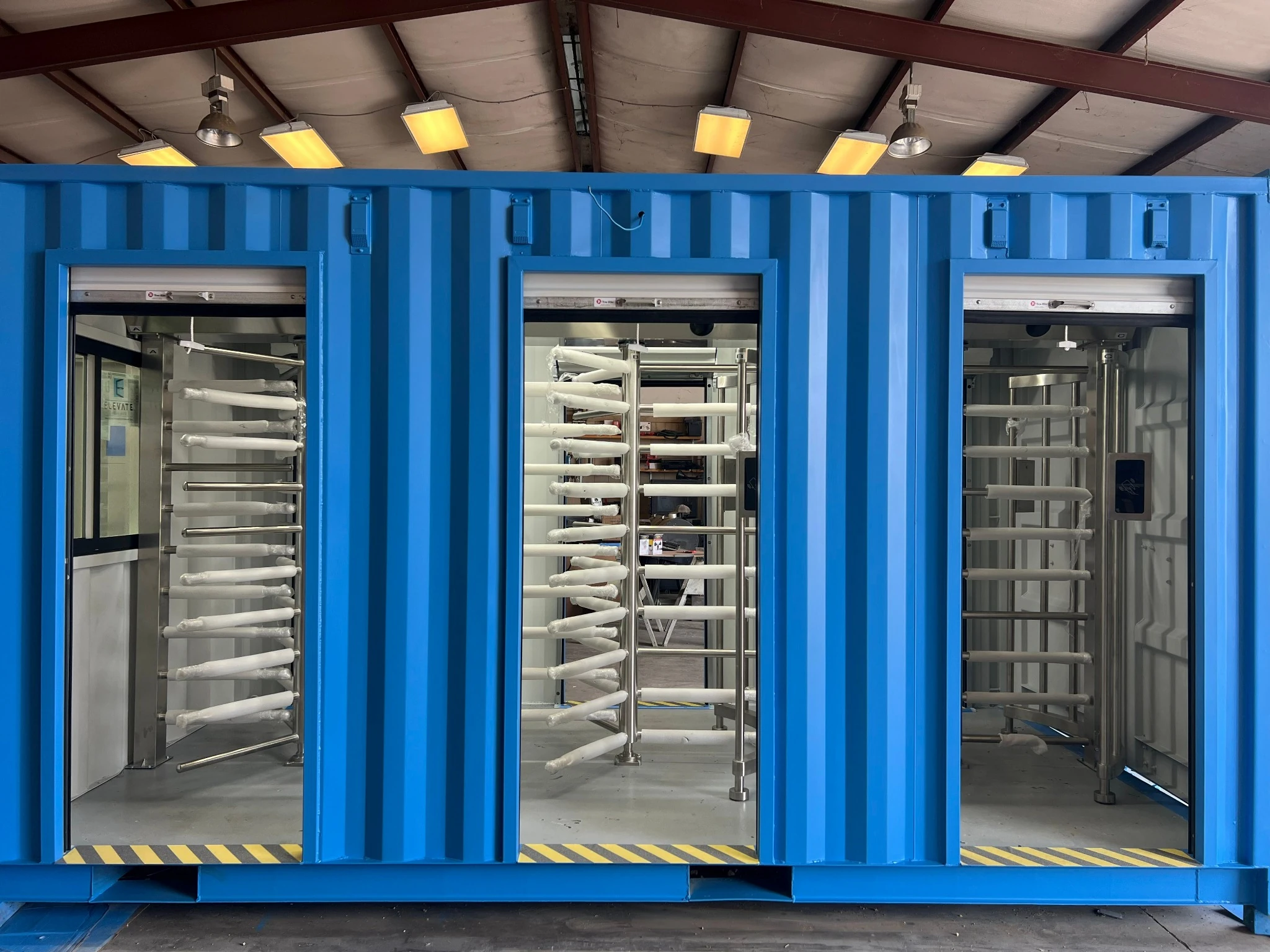
Distributed operational security infrastructure combines modular checkpoint containers, distributed solar surveillance nodes, cloud-connected license plate recognition, and cloud video management into a unified system for large sites. Unlike fixed camera systems or standalone guard booths, this infrastructure scales across acres of perimeter, integrates access control, screening, and vehicle intelligence, and delivers centralized operational visibility through cloud platforms — without requiring permanent wired infrastructure at every node.

What This Infrastructure System Combines

2M Technology engineers distributed security systems as a complete operational stack. Each layer is independently functional and interoperable with the others — so you can start with a single checkpoint container and expand to an enterprise multi-node perimeter without replacing any existing investment.

📦

Modular Security Container Layer

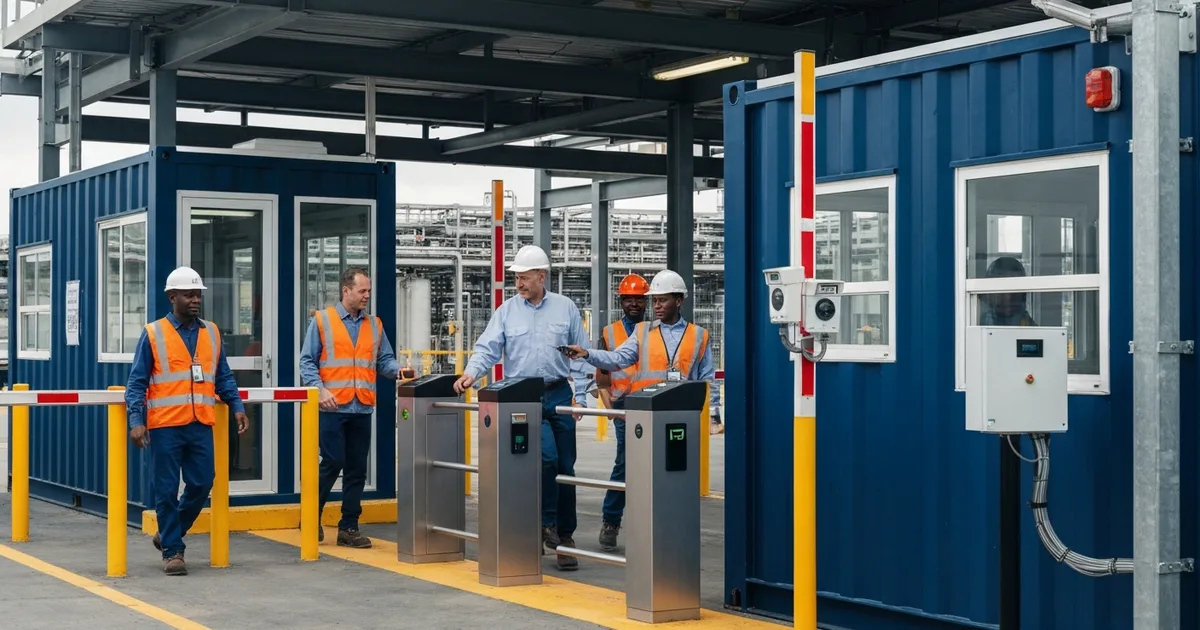
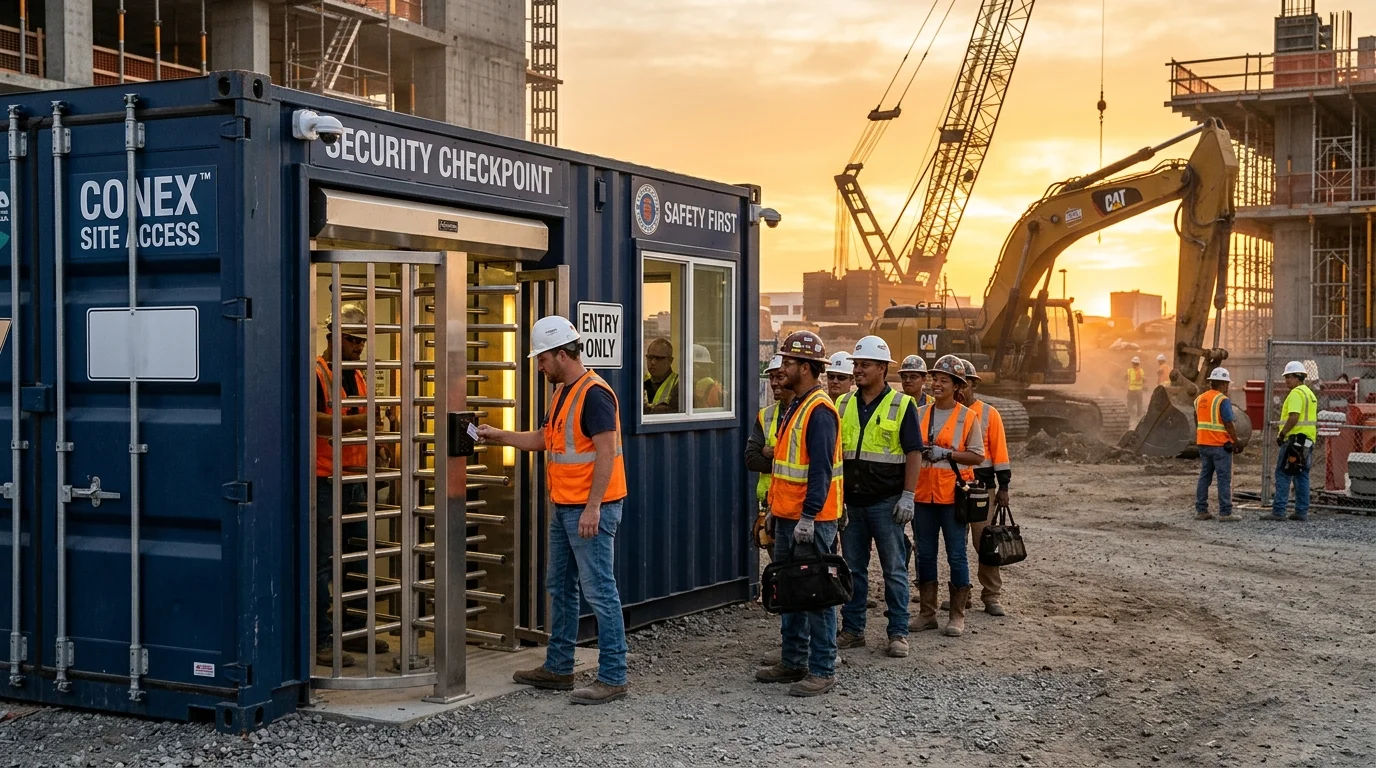
Pre-wired CONEX containers configured as checkpoint offices, screening stations, or command points. Turnstiles, access control, network rack, HVAC, and CCTV mounting arrive factory-installed. Operational within hours of site delivery. Products: 2MFHT-5C, 2MFHT-4C.
🔒

Access Control & Identity Layer

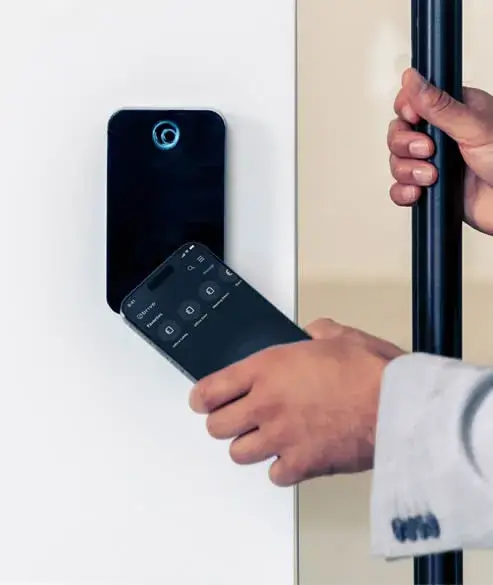
Open-architecture credential management supporting HID, MIFARE/DESFire, Mercury, Brivo, Genetec, and Ubiquiti. RFID, biometric, mobile credentials, and PIN. No proprietary lock-in. Integrates with existing enterprise badge systems. See: Access Control Systems.

🚗

Vehicle Intelligence Layer

Placa.ai cloud LPR reads and identifies license plates in real time, cross-references against authorized vehicle lists, and triggers gate access automatically. 95–99% recognition accuracy. Contractor, employee, and visitor vehicle logs retained in cloud. See: License Plate Recognition.
☁️

Cloud Video Operations Layer

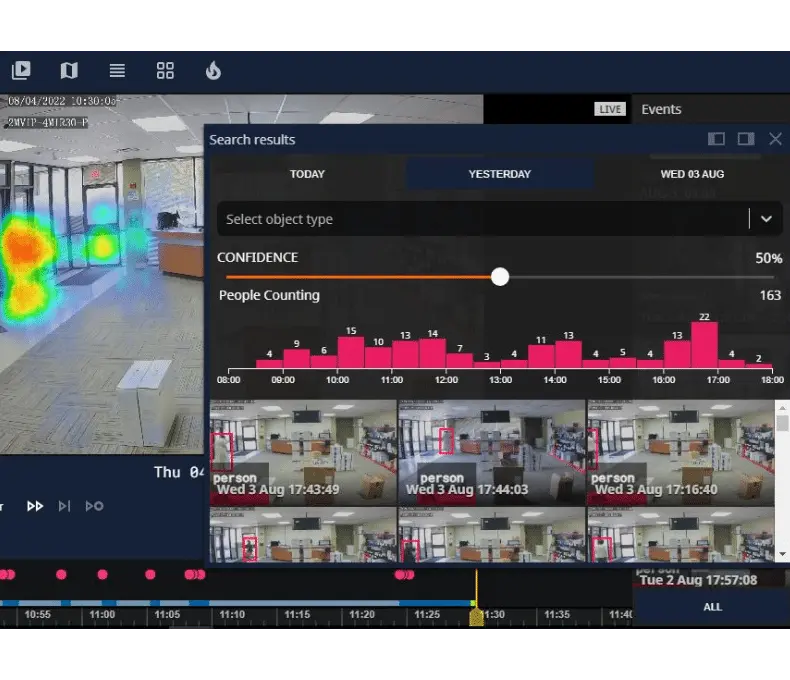
Ifovea cloud VMS aggregates camera feeds from all containers, trailers, and fixed cameras into a single remote-accessible interface. AI event alerts, multi-site monitoring, and cloud recording eliminate on-site DVR dependency. See: Cloud VMS.

☀️

Distributed Solar Surveillance Layer

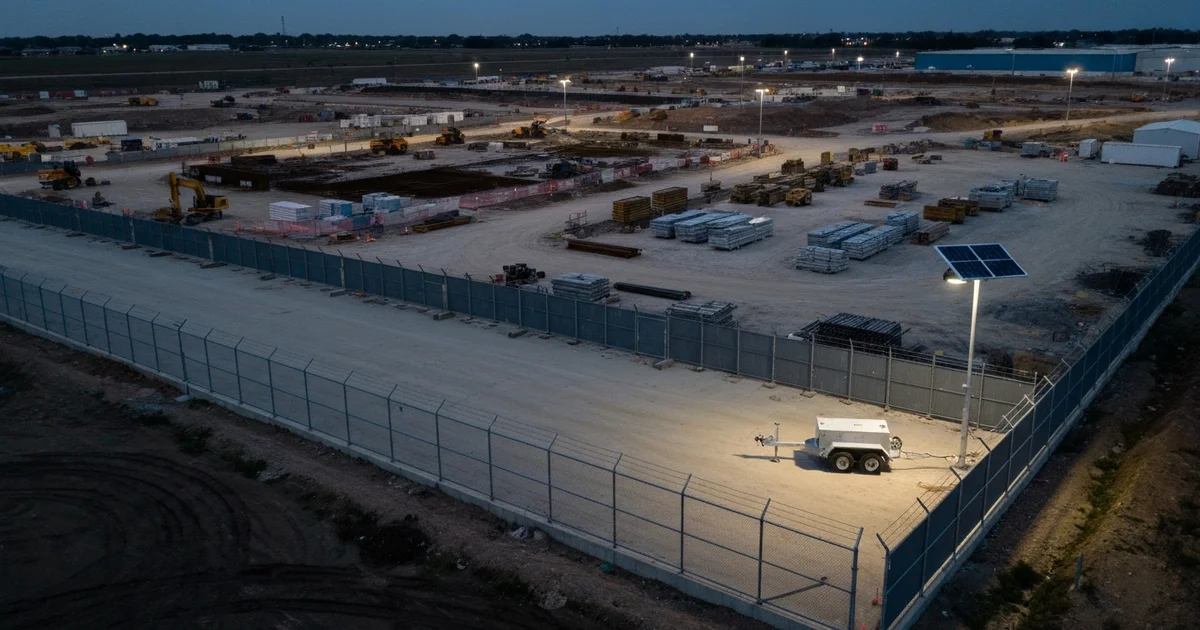
Solar-powered PTZ camera trailers with mast-mounted cameras, LTE/5G backhaul, and optional LPR integration. Deploy as autonomous perimeter nodes wherever wired infrastructure does not reach. Operational within 2–4 hours. See: Solar Surveillance Trailers.

📍

Command Center / Monitoring Layer

Centralized or remote operations interface combining Ifovea VMS dashboards, Placa.ai vehicle logs, and access control event feeds. Single-pane visibility across all nodes, gates, and checkpoints. Supports remote guard stations and off-site security operations centers.
Plan a Distributed Security Infrastructure Deployment

2M Technology provides site assessment, system design, installation, and ongoing support for construction, industrial, and large-site deployments across the United States.

Get a Site Infrastructure Assessment

Deployment Models by Site Scale

The distributed infrastructure architecture scales from a single entry checkpoint to a full multi-node enterprise perimeter. Each deployment model is designed to expand incrementally as site requirements grow.

Deployment Model Containers Turnstiles Solar Trailers LPR Lanes Typical Site
Single Entry Checkpoint 1 1–2 0–1 1 Small construction / event / estate gate
Checkpoint + Screening 1–2 2–4 1–3 1–2 Mid-scale construction / industrial / logistics yard
Perimeter Node Network 1 command + gates 4–8 4–12 3–6 Large industrial plant / refinery / truck yard / estate
Enterprise Distributed 2–4 hubs 8–20+ 8–30+ 6–16 Megaproject / multi-gate campus / port / substation

Industries Served

Each industry below presents specific operational requirements — workforce scale, vehicle volumes, perimeter size, regulatory environment, and threat profile — that distributed security infrastructure is engineered to address.

🏗 Construction Megaprojects

Workforce verification at shift entry, contractor badging, vehicle control at multiple gates, and perimeter surveillance across active and inactive zones. Construction checkpoint systems →

🏭 Industrial Manufacturing

Shift access management, contractor screening, x-ray inspection at secure entry points, and distributed camera coverage across large plant footprints. Industrial access infrastructure →

💧 Oil & Gas / Refineries

Contractor and vendor control, explosion-proof perimeter cameras, vehicle inspection, and hazmat-aware checkpoint configurations for refineries and upstream sites. See: Explosion-proof cameras →

⚡ Utilities & Substations

Critical infrastructure perimeter protection with solar nodes, LPR at service entrances, and cloud video for remote substation monitoring — no on-site staffing required.

🚚 Logistics Yards & Truck Yards

Driver verification, trailer yard visibility, inbound and outbound truck LPR logging, and gate camera systems for high-volume freight operations. Logistics security →

🏠 Large Estates & Ranches

Distributed solar camera nodes across miles of perimeter, LPR at primary and secondary gates, and cloud VMS for remote monitoring without on-site guard staffing. Large property perimeter →

⚓ Ports & Maritime

Vehicle and personnel access across multiple pier gates, LPR for truck and container transport logging, container office checkpoints, and wide-area perimeter surveillance.

💻 Data Centers

Layered vendor and contractor access control, vehicle LPR at perimeter gates, x-ray screening at sensitive entry points, and cloud video for multi-facility monitoring programs.

🏛 Events & Temporary Venues

Rapid-deploy checkpoint containers, x-ray and turnstile lanes, solar trailer perimeter, and temporary LPR for parking and VIP access. Deploy in 4–8 hours, remove and redeploy at next venue. Event screening →

🏙 Solar Farms & Wind Energy

Remote perimeter surveillance on solar-powered nodes — particularly appropriate for solar farms where grid power is available but perimeter wiring is cost-prohibitive across large acreage.

🏢 Government & Municipal

Temporary checkpoint infrastructure for construction projects, emergency deployments, and government facility perimeter expansion where permanent infrastructure timelines are too slow.

Industry standards and references for distributed operational security infrastructure: ASIS International — Security Convergence Standards | NIST SP 800-82 — Guide to OT Security | Ubiquiti UniFi camera and NVR specifications

Interoperability Matrix

2M Technology engineers open-architecture systems. Every integration below is supported without proprietary middleware or vendor lock-in. If you have existing credentials, controllers, or VMS platforms, the distributed infrastructure integrates with them rather than replacing them.

Platform / Protocol Type Use Case in Distributed Infrastructure
HID Global RFID / Mobile Credentials Employee and contractor badge access at turnstile and gate readers
MIFARE / DESFire ISO 14443 Smart Card High-security credential for industrial and government checkpoint deployments
Mercury Security Access Controller OSDP 2.0 controller layer; integrates with Genetec, Lenel, C-CURE, Software House
Brivo Cloud Access Control Cloud-managed credentials and remote enrollment for distributed multi-site deployments
Genetec Security Center Enterprise PSIM Unified access control and video management for enterprise multi-site clients
Ubiquiti UniFi Networking + Access Site networking backbone, PoE switching for cameras and readers, UniFi Access readers. See: UniFi deployment
ONVIF Profile S/T/G IP Camera Protocol Interoperability with any ONVIF-compliant IP camera for Ifovea VMS integration
LTE / 5G Cellular Wireless Backhaul Primary or backup connectivity for all nodes; no site fiber or cable required
Placa.ai Cloud LPR Intelligence Vehicle identification, authorization, and logging at all vehicle entry lanes. See: LPR system
Ifovea Cloud VMS Multi-node cloud video management, AI alerts, remote monitoring. See: Cloud VMS

How Operational Workflows Function

Each workflow below describes how people, vehicles, and goods move through the distributed infrastructure in real operational conditions. The system handles all six simultaneously across multiple nodes.

👤 Employee & Workforce Entry

  1. Badge or mobile credential presented at turnstile reader
  2. Mercury / Brivo / Genetec validates authorization against access level
  3. Turnstile grants passage; Ifovea timestamps event on camera
  4. Access log synced to cloud for real-time headcount tracking
🚢 Contractor Verification

  1. Contractor presents RFID badge, PIN, or biometric at reader
  2. System validates active authorization, certification expiry, and work zone
  3. Optional x-ray screening of tools and bags at container lane
  4. Container office processes documentation for new or unregistered contractors

🚗 Vehicle Entry via LPR

  1. Placa.ai LPR camera reads plate as vehicle approaches
  2. Cloud lookup against authorized vehicle registry (employee, contractor, vendor)
  3. Gate or barrier activates automatically for authorized plates
  4. Unauthorized plates trigger alert to container office or remote operator
📷 Perimeter Alert Escalation

  1. Solar trailer detects motion or tripwire breach at perimeter
  2. Ifovea triggers AI alert; remote operator receives video clip
  3. Operator classifies event: guard dispatch, intercom challenge, or dismiss
  4. Event logged with timestamp, camera ID, and response action

Why Distributed Infrastructure Outperforms Alternatives

Guard shacks, mobile trailers, and fixed camera systems each solve part of the large-site security problem. None of them solves it completely. Distributed operational infrastructure is engineered to close all the gaps simultaneously.

Capability Guard Shack Mobile Trailer Fixed Cameras 2M Distributed
Deploy and relocate in hours ❌ Partial ❌
Automated vehicle LPR ❌ ❌ ❌
Cloud video (no on-site DVR) ❌ Rarely Sometimes
RFID / biometric access control ❌ ❌ ❌
X-ray screening option ❌ Sometimes ❌
No permanent foundation required ❌ ❌
Operates without wired internet Partially ❌ ❌
Scalable: add nodes without replacing core system ❌ ❌ ❌

Related Infrastructure Pages

Checkpoint, screening, and command container configurations
Workforce and vehicle management for construction
Estates, ranches, and remote site perimeter infrastructure
HID, MIFARE, Mercury, Brivo, Genetec interoperability
Plants, refineries, and utility site infrastructure
2MFHT-5C and 2MFHT-4C product catalog
Autonomous solar perimeter camera nodes
Vehicle intelligence and gate automation
Multi-node cloud video operations

Is Distributed operational security infrastructure Right for Your Site?

Distributed operational security infrastructure is the right approach for any site where workforce scale, vehicle volume, or perimeter size makes traditional guard booths and fixed cameras inadequate. 2M Technology engineers distributed operational security infrastructure solutions that deploy in hours, not weeks, and scale incrementally as operational requirements grow.

The core advantage of distributed operational security infrastructure from 2M Technology is open architecture: every component integrates with existing credentialing systems, VMS platforms, and access control software. There is no proprietary lock-in. Clients who already operate HID, Mercury, Brivo, or Genetec systems can connect to 2M distributed operational security infrastructure infrastructure without replacing their existing investment.

How to Evaluate a Distributed operational security infrastructure Provider

  • Confirm distributed operational security infrastructure deployment timeline: pre-wired units should be operational in 4-8 hours
  • Verify open-architecture credential support (HID, MIFARE, Mercury, Brivo, Ubiquiti)
  • Confirm LTE/5G wireless backhaul so no site fiber is required
  • Require cloud VMS and cloud LPR integration as standard, not add-on
  • Validate that the distributed operational security infrastructure system can be relocated as site requirements evolve

Is Distributed operational security infrastructure the Right Solution for Your Site?

Distributed operational security infrastructure from 2M Technology is the right approach for any site where workforce scale, vehicle volume, or perimeter size makes traditional guard booths and fixed cameras inadequate. 2M Technology designs distributed operational security infrastructure that deploys in hours, not weeks, and scales incrementally as your operational requirements grow.

The core advantage of distributed operational security infrastructure from 2M Technology is open architecture: every component integrates with existing credentialing systems, VMS platforms, and access control software without proprietary lock-in. Organizations already operating HID, Mercury, Brivo, or Genetec systems can connect distributed operational security infrastructure without replacing existing investment.

Evaluating a Distributed operational security infrastructure Provider

  • Confirm distributed operational security infrastructure deployment timeline — pre-wired units should be operational in 4 to 8 hours
  • Verify open-architecture credential support (HID, MIFARE, Mercury, Brivo, Ubiquiti)
  • Confirm LTE and 5G wireless backhaul so no site fiber is required
  • Require cloud VMS and cloud LPR integration as standard components
  • Validate the distributed operational security infrastructure system can relocate as site requirements evolve

Frequently Asked Questions

What is distributed operational security infrastructure?

Distributed operational security infrastructure is an integrated system combining modular checkpoint containers, access control, turnstiles, x-ray screening, solar surveillance trailers, cloud LPR, and cloud video management into a unified operational platform for large sites. Unlike standalone cameras or guard booths, distributed infrastructure connects every perimeter node, checkpoint, and access point to a single cloud operations layer for centralized visibility and control.

How long does it take to deploy a modular security container checkpoint?

A modular security container checkpoint is operational within 4 to 8 hours of site delivery. The unit arrives pre-wired with turnstiles, access control hardware, network rack, and camera mounting infrastructure. LTE or 5G backhaul activates cloud VMS and LPR without site fiber. Full multi-node enterprise deployments complete in 2 to 5 days depending on scale and integration complexity.

What access control systems are compatible?

The system supports HID Global RFID and mobile credentials, MIFARE and DESFire smart cards, Mercury Security controllers, Brivo cloud access, Genetec Security Center, and Ubiquiti UniFi Access. Open-architecture design means your existing badge system integrates without replacement. See open architecture access control checkpoints for full interoperability detail.

Can the system operate without wired internet?

Yes. Every component supports LTE and 5G cellular backhaul. Solar surveillance trailers run fully autonomously on solar and battery power with LTE connectivity. Container checkpoints use LTE routers as primary or backup. The system deploys on greenfield construction sites, remote industrial facilities, and rural estates where wired internet does not exist.

How does Placa.ai LPR integrate with the checkpoint system?

Placa.ai cloud LPR cameras mount at vehicle entry lanes or on mast poles. As a vehicle approaches, Placa.ai reads the plate in real time and cross-references it against an authorized vehicle list in the cloud, triggering gate access automatically. All entry and exit events are logged with timestamps and images, accessible remotely through the Ifovea VMS or Placa.ai dashboard. Commercial deployment accuracy is 95 to 99 percent.

What is the difference between this and a traditional guard shack?

A guard shack relies on manual staffing, paper logs, and physical observation — all of which fail at scale, across multiple entry points, or during after-hours and weekend periods. A modular security container checkpoint automates verification through RFID, biometrics, LPR, and optional x-ray while providing cloud-connected video and remote supervisor access. Container checkpoints relocate as the site evolves and do not require permanent foundations or infrastructure.

What industries use this infrastructure?

Construction megaprojects, oil and gas refineries, industrial manufacturing plants, utilities and substations, logistics yards and truck yards, ports, large estates and ranches, data centers, and temporary event venues. The common requirement is a large site footprint, multiple access points, and the need for cloud-connected operational visibility without permanent wired infrastructure at every location.

How much does distributed operational security infrastructure cost?

Single checkpoint container deployments with access control and LPR start at $45,000 to $85,000 installed. Mid-scale deployments with container checkpoint, two to four solar trailers, and cloud LPR and VMS integration range from $120,000 to $280,000. Enterprise multi-node deployments for megaprojects are project-scoped. Contact 2M Technology at (214) 988-4302 or request a site assessment.

Design Your Distributed Site Security Infrastructure

2M Technology provides site assessment, system design, installation, and ongoing support. Call (214) 988-4302 or submit a project brief to start the conversation.