Plumbing Inspection

These cameras allow a detailed view inside pipes and plumbing systems, enabling efficient diagnostics and targeted repairs. Equipped with advanced imaging technology and flexible maneuverability, our plumbing inspection cameras provide real-time insights, saving time and minimizing disruptions.


Sewer Inspection Camera Types

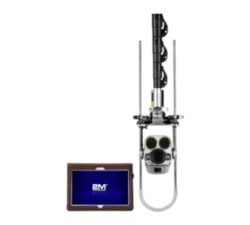
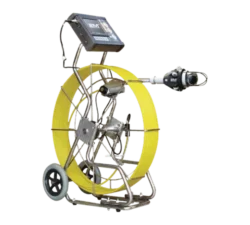
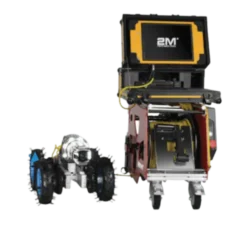
2M Technology supplies three main categories of sewer inspection camera systems, each suited to different pipe diameters, depths, and inspection scenarios:

Type Pipe Range Cable Length Best For
Push rod sewer inspection camera 1.5 in – 8 in 100–300 ft Residential service lines, small commercial drains, lateral inspections
Self-leveling sewer inspection camera 3 in – 12 in 200–400 ft Municipal laterals, commercial drain inspections, auto-upright image orientation
Robot crawler sewer camera 6 in – 60 in 500 ft+ Large-diameter mainlines, storm drains, industrial pipelines, pre-purchase inspections

Choosing a Sewer Inspection Camera

  • Pipe diameter — The camera head must fit inside the pipe with clearance. Push rod sewer inspection camera heads range from 22mm to 55mm. Crawler systems handle 6-inch pipes and up.
  • Cable length — Match cable length to the longest inspection run. Standard push rod sewer inspection camera cables ship at 100 feet; extensions up to 300 feet are available.
  • Recording and reporting — Most modern sewer inspection camera units record to SD card or a laptop via USB with on-screen footage overlay (pipe depth, distance, operator notes). Required for formal NASSCO-compliant inspection reports.
  • Locator compatibility — A sonde transmitter built into the sewer inspection camera head allows a surface locator to pinpoint the camera’s position and depth underground — critical for repair documentation.
  • Display — Integrated LCD monitors are standard on push rod systems. For crawler-based sewer inspection cameras, external laptop or tablet displays allow side-by-side viewing with GIS pipe mapping software.

Applications

Municipal sewer inspection — Municipalities use sewer inspection camera systems for routine CCTV inspection programs, pre-lining assessments, and post-repair verification on sanitary and storm sewer mains.

Commercial facility maintenance — Property managers use push rod sewer inspection cameras to diagnose slow drains, root intrusion, and grease accumulation in kitchen drain lines, parking structure drains, and mechanical room sumps before calling a contractor.

Industrial pipeline inspection — Manufacturing and processing facilities use robotic sewer inspection camera crawlers to inspect process piping, cooling water return lines, and underground utility corridors without excavation.

Pre-purchase property inspections — Real estate transactions increasingly require a sewer inspection camera scope as a condition of purchase on properties over 10 years old.

All Products

2MMHCPZ HD wireless Manhole Camera with Touch Screen Tablet

2MRCPTZ-30200 Sewer Video Pipe Drain Cleaner Inspection Camera With Sonde & Locator Pipe Inspection Crawler Robot

2MRCPTZ-20100 Pipe Inspection Crawler Robot and Underwater CCTV Camera

2MRCPT-1060 ROV Robot for Underwater Storm Drain Inspection Camera Pipe Inspection Crawler Robot

2MPICC-23 23mm Camera Box for Sewer/Drainage Pipe Inspection

2MPICC-14 14mm Built-In 512Hz Drainage/Sewer Camera for Pipe Inspection

2MPICPTZ-50 Push Rod CCTV Inspection Camera With Pan/Tilt Camera Head For DN 60-400 Lateral Sewer lines

2MPICC-40 Push Rod Optical Equipment for Drain Pipe CCTV Inspection Camera

2MPIC-40 Push Rod Optical Equipment for Drain Pipe CCTV Inspection Camera

2MPICB-40 Push Rod Optical Equipment for Drain Pipe CCTV Inspection Camera with Wheeled Frame

Need Plumbing Inspection?

Tell us your industry, site type, and project needs — we'll send a customized quote within 24 hours.