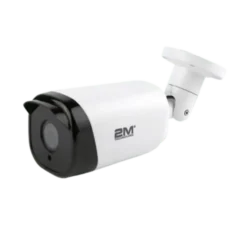
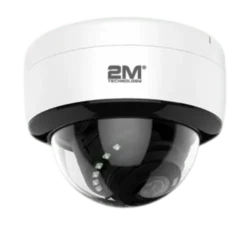
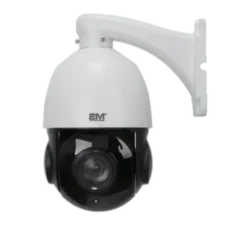
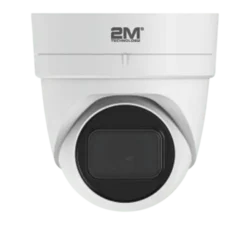
Analog Cameras

2M Technology’s analog cameras are designed to provide clear and detailed footage, ensuring comprehensive coverage of your property. Known for their simplicity and effectiveness, analog security cameras are a cost-effective option without compromising on quality.

All Products

2MTT-4KIR20 8MP 4-in-1 IR Fixed Lens Turret Camera

2MTT-5MIR20 5MP TVI 4-in-1 Fixed Lens Turret Camera

2MTT-2MIR20 2MP 4-in-1 IR Fixed Lens Turret Camera

2MBT-4KIR20 4K TVI Bullet Camera Fixed Lens

2MVT-4KIR20 IR Turret HD Camera

2MVT-2MIR40ZSL 2MP Outdoor Dome Camera with Starlight

2MVT-5MIR35ZSL 4IN1 5MP Lite Motorized Dome Camera 5X, 30m IR with Starlight

2MVT-2MIR35ZSL 4-IN-1 2MP Motorized Dome Camera with 5X and 30m IR

2MVT-5MIR25 5MP IR Metal Dome HD Camera

2MVT-2MIR25SL 2.0MP IR Metal Dome HD Camera with Starlight

2MVT-5MIR20 5MP TVI Vandal Turret Camera Fixed Lens

2MVT-2MIR20SL 2MP TVI Vandal Turret Camera Fixed Lens with Starlight

Frequently Asked Questions: Analog Cameras

Analog cameras are security cameras that capture video in an analog format. They use coaxial cables to transmit video signals to a DVR (Digital Video Recorder), where the footage is recorded and stored. Although analog cameras have fewer features compared to IP cameras, their straightforward setup makes them a reliable choice for basic surveillance needs and smaller setups.

To set up an analog camera system, you will need the following:

  • Analog security camera: Choose from dome, bullet, turret, or PTZ cameras depending on your needs.
  • DVR (Digital Video Recorder): This device records and stores video footage from the cameras.
  • Storage: The DVR will need a hard drive to store the footage.
  • Coaxial cables: These cables transmit video signals from the cameras to the DVR. RG59 and RG6 are the most common types.
  • Power supply: Each camera will need a separate cable connection to a power source. You’ll need a power adapter or a centralized power supply unit to deliver power to multiple cameras.
  • Monitor: A monitor or TV is needed to view the live and recorded footage from the DVR.

The main difference between analog and IP cameras is how they capture and transmit video:

  • Analog cameras: Capture video in an analog format and send it to a DVR via coaxial cables.
  • IP cameras: Record video in a digital format and transmit it over a network (Ethernet or Wi-Fi) to an NVR or cloud storage.

We carry several types of analog cameras, each designed to suit different monitoring needs and applications. The main types include:

  • Dome cameras: Compact and discreet, dome cameras are typically used for indoor ceiling installations. Their dome-shaped cover helps conceal the direction the lens is pointing, preventing people from identifying blind spots.
  • Bullet cameras: Long and cylindrical, bullet cameras are best for outdoor use due to their ability to capture long-range footage.
  • Turret cameras: Also known as eyeball cameras, turret cameras are similar to dome cameras but feature a socket design that allows for easy adjustment of the lens.
  • PTZ (Pan-Tilt-Zoom) cameras: PTZ cameras offer remote pan, tilt, and zoom functions, allowing you to cover large areas and zoom in to capture more details.
  • Pros:
    • Affordable: Analog cameras are generally less expensive upfront, making them a budget-friendly choice for small or basic monitoring setups.
    • Simple installation: The wiring and setup process is straightforward since they don’t require network configuration.
    • Reliable: Analog cameras don’t rely on a network for video transmission, so they aren’t affected if your network goes down.
  • Cons:
    • Lower resolution: Analog cameras typically offer lower video resolution compared to IP cameras, which limits image clarity and detail.
    • Limited features: They may lack the advanced features IP-based systems usually have, such as remote access, motion detection, and AI-based analytics.
    • Cabling restrictions: Each camera requires a separate cable for power and data, which can limit flexibility in camera placement and installation over large distances.

Analog cameras do not directly support remote viewing since they send video through coaxial cables to a DVR. However, you can still view your camera remotely if your DVR is connected to the internet and supports remote viewing. The setup process depends on your DVR model; our older models require port forwarding, while newer models support P2P for easier remote access.

The necessary storage capacity for your camera depends on several factors:

  • Resolution: Higher resolutions generate larger video files, requiring more storage space.
  • Frame rate: The more frames per second (fps) your cameras record, the larger the video files will be.
  • Recording time: Continuous 24/7 recording takes up much more storage than motion-based recording, which only saves footage when activity is detected.
  • Retention period: The longer you need to store footage, the more storage space is required.

Traditional analog systems have lower resolution, but you can upgrade to high-definition analog HD systems for improved image quality. We carry 4-in-1 analog cameras that support AHD (Analog High Definition), TVI (Transport Video Interface), CVI (Composite Video Interface), and CVBS (Composite Video Baseband Signal). These newer technologies deliver high-resolution video while still using coaxial cables, making upgrades easier without needing a full system replacement.

When choosing an analog camera, here are some factors to consider:

  • Environment: Will the camera be installed outdoors or indoors?
  • Resolution: What level of detail do you need to capture?
  • Field of view: Which areas do you need to cover?
  • Night vision: Will you need to record in the dark?

If you’re unsure, get in touch with one of our security experts for advice on selecting the best camera for your needs.

Get a Quote for Analog Cameras in DFW

2M Technology supplies and installs analog camera systems for office campuses, warehouses, and secured perimeters across Dallas-Fort Worth and Texas. We hold Texas Security License B15309. Contact us at (214) 988-4302 or via our quote form for a free site assessment.