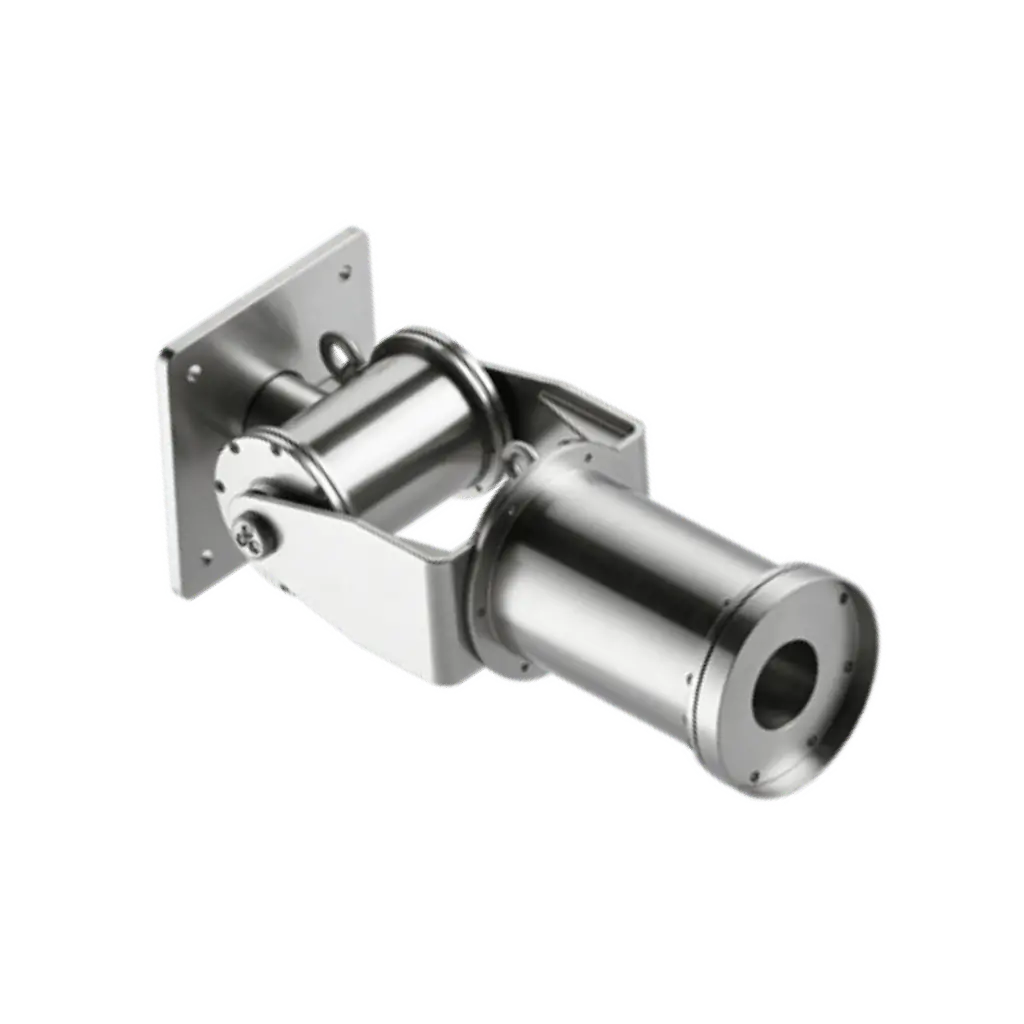
Explosion Proof Cameras

2M Technology supplies ATEX and IECEx certified explosion proof cameras for the most demanding hazardous environments — oil & gas platforms, petrochemical refineries, chemical processing plants, grain storage facilities, mining operations, and offshore installations. Every camera in this range is rated for Class I Division 1 and Division 2 or Zone 1 and Zone 2 locations where flammable gases, vapors, or combustible dust are present.

All Products

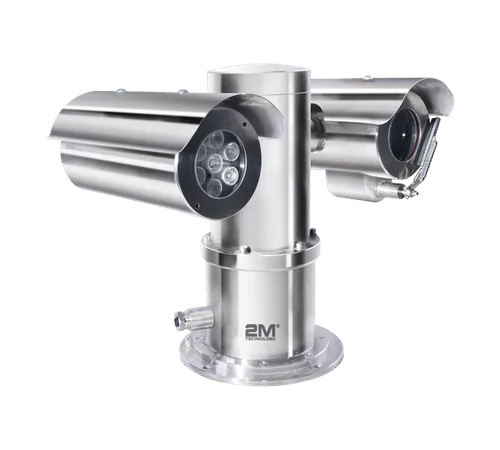
2MEP16-IP5M32X ATEX, IECEx Certified 4MP 32X Starlight Network Explosion-Proof PTZ Speed Dome Camera

2MEP04-IP4M25X Explosion-Proof Network PTZ Speed Dome Camera with Aux Lights

2MEXFIP04-5MIR25 5MP Explosion-Proof Fixed IR Network Fisheye Camera

2MEC16-5MP30X Explosion-proof 5MP 30X Zoom Network Crane Camera with Built-In Wiper and Heater

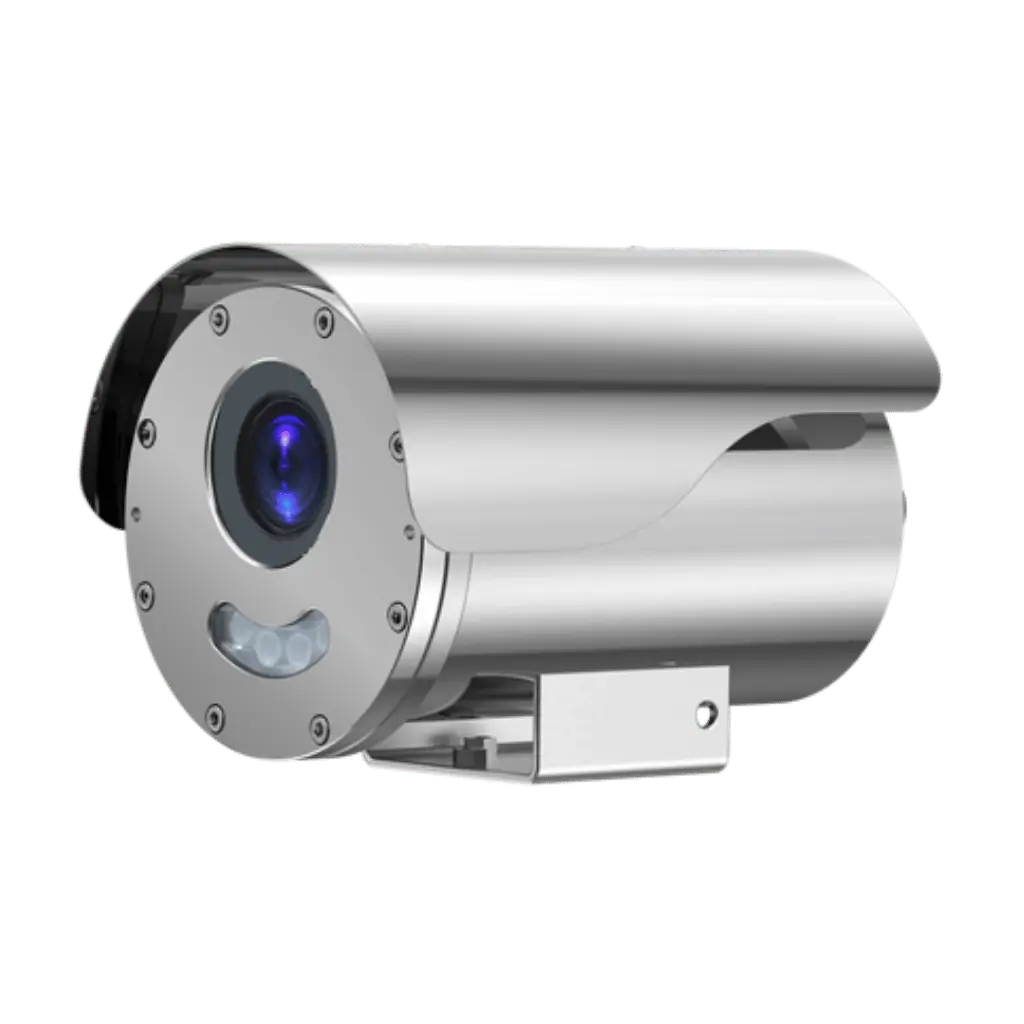
2MEBS04-T2M Explosion-Proof 2MP HD Analog IR Motorized Bullet Camera

2MEP04-IP2M30X Explosion-Proof IP PTZ 30x Zoom Dome Camera

2MEXFIP16-12MIR10 4K Explosion-Proof Fixed IR Fisheye Dome Camera (316L)

2MEXFIP04-12MIR10 4K Explosion-Proof Fixed IR Fisheye Dome Camera (304)

2MEPT04-4M37X Explosion-Proof 4MP Network PTZ Camera 37X Zoom with Built-In Heater & Wiper – 304 Stainless Steel

2MEPT16-4M37X Explosion-Proof 4MP Network PTZ Camera 37X Zoom with Built-In Heater & Wiper – 316L Stainless Steel

2MEPT16-TH6450MM Explosion proof PTZ Thermal Camera with 50mm Lens – 316L Stainless Steel

2MEPT04-TH6450MM Explosion proof PTZ Thermal Camera with 50mm Lens – 304 Stainless Steel

Types of Explosion Proof Cameras

Our explosion proof camera range includes every form factor required for hazardous area surveillance:

  • Explosion Proof Bullet Cameras — Long-range IR, motorized varifocal, and fixed-lens models for perimeter and pipeline monitoring in Class I Div 1 environments.
  • Explosion Proof PTZ Cameras — 360° pan/tilt/zoom for wide-area coverage of tank farms, loading docks, and process areas. Available with up to 30× optical zoom.
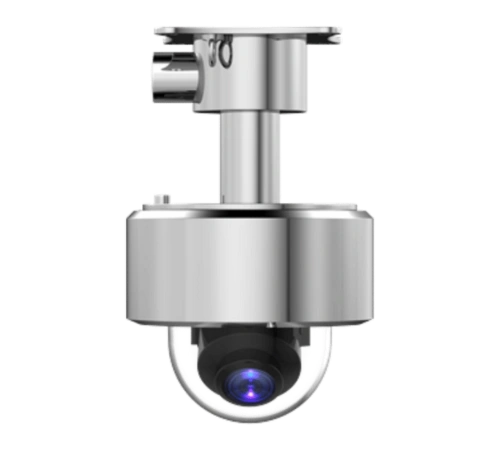
  • Explosion Proof Dome Cameras — Compact ceiling-mount and surface-mount domes for indoor refinery areas, compressor rooms, and pump stations.
  • Explosion Proof Thermal Cameras — Radiometric thermal imaging for early fire detection and hot-spot monitoring in petrochemical and mining applications.
  • Explosion Proof Fisheye Cameras — 180°/360° panoramic coverage for confined spaces, storage rooms, and areas where multiple cameras are not practical.
  • Explosion Proof Crane Cameras — Ruggedized housings rated for overhead crane and gantry crane environments with continuous vibration and shock exposure.

Certifications: ATEX, IECEx, NEC, and UL

Every explosion proof camera we supply carries internationally recognized certifications. ATEX certification covers European Zone 1 and Zone 2 applications. IECEx provides global certification recognized in over 50 countries. For North American installations, our cameras comply with NEC Article 500 Class I Division 1 and Division 2 requirements, with UL and cUL listed models available for US and Canadian projects.

Camera housings are constructed from 304 or 316L stainless steel for maximum corrosion resistance in offshore and coastal environments. Explosion protection methods include flameproof enclosures (Ex d), increased safety (Ex e), and intrinsically safe (Ex i) designs depending on the specific hazard zone requirements.

Explosion Proof Camera Classifications

All explosion proof cameras sold by 2M Technology are certified under recognized hazardous area classification systems. Understanding the correct classification for your facility determines which products meet code.

  • Class I, Division 1 — Locations where explosive gases or vapors are present continuously, intermittently, or periodically under normal operating conditions. Typical environments: oil refineries, chemical processing units, solvent storage, natural gas processing.
  • Class I, Division 2 — Locations where explosive vapors are handled in closed containers and only present under abnormal conditions (equipment failure, maintenance). Typical: pump stations, paint booths, battery rooms.
  • Class II, Division 1 — Combustible dust present in the air in quantities sufficient to produce explosive or ignitable mixtures under normal operating conditions. Typical: grain elevators, feed mills, coal handling facilities.
  • ATEX Zone 1 / IECEx Zone 1 — European and international equivalent to Class I Division 1. Required for oil and gas projects with EU/international specifications.

Technical Specifications to Verify

Before selecting an explosion proof camera for a specific location, confirm these parameters against your facility’s hazardous area classification report:

  • T-Rating (Temperature Class) — The maximum allowable surface temperature. Must be lower than the auto-ignition temperature of the specific gas or dust present. Common ratings: T1 (450°C) through T6 (85°C).
  • Gas Group — Group A (acetylene), B (hydrogen), C (ethylene), D (propane) for NEC; Group I (mining), IIA/IIB/IIC for ATEX/IECEx.
  • IP Rating — All Class I cameras carry minimum IP66 (dust-tight, jet-proof). Offshore and wash-down environments require IP67 or IP68.
  • Operating temperature range — Standard: -40°C to +60°C. For high-temperature environments (near furnaces, steam lines), specify the ambient temperature range when requesting a quote.

Hazardous Area Applications

Our explosion proof cameras are deployed across the full range of hazardous industrial environments:

Installation Requirements in Texas

Under the National Electrical Code (NEC) Article 500, all wiring in Class I/II hazardous areas must use conduit sealing fittings (EYS/EYD), explosionproof conduit bodies, and intrinsically safe or explosion-proof junction boxes. Texas requires a licensed contractor; 2M Technology holds Security License B15309 and partners with licensed electrical contractors for all classified-area camera projects. Call (214) 988-4302 to request a site assessment and hazardous area classification review.

For site-specific explosion proof cameras selection assistance, contact 2M Technology at (214) 988-4302 — we match explosion proof cameras to your hazardous area classification report and provide installation by licensed contractors.

Why Choose 2M Technology for Explosion Proof Cameras

2M Technology holds Texas Security License B15309 and has designed and installed explosion proof CCTV systems for industrial clients across the United States. We offer system design consultation to help you select the correct camera type, protection method, and certification level for your specific hazard zone. All explosion proof cameras ship from US stock with full manufacturer documentation including Ex certificates, installation manuals, and compliance declarations. Custom explosion proof housings are also available for integrating your preferred camera into a certified enclosure.

Frequently Asked Questions: Explosion-Proof Cameras

In hazardous areas where flammable gases, vapors, or dust are present, using electrical equipment can be dangerous, as even a tiny spark can trigger an explosion. Without proper precautions, a camera can become the origin of an explosion. Explosion-proof cameras are intrinsically safe, meaning they are specifically designed to prevent becoming an ignition source. They are encased in protective housings that prevent any sparks, heat, or electrical malfunctions from escaping and igniting flammable materials in the surrounding environment.

Explosion-proof cameras work by containing ignition hazards and stopping them from spreading to the external atmosphere. If the camera or its electrical components generate sparks, excessive heat, or flames, the specialized housing keeps these hazards sealed inside. This ensures that they cannot come into contact with flammable substances in the surrounding area, reducing the risk of igniting an explosion.

Any hazardous location with flammable gases, vapors, or combustible dust may need explosion-proof cameras, including:

  • Oil and gas refineries
  • Chemical processing plants
  • Power plants
  • Mining sites
  • Aerospace facilities
  • Food and grain processing plants

Explosion-proof cameras have several key features to ensure safe operation in hazardous zones:

  • Protective housing: These cameras have specially designed enclosures that prevent sparks, heat, or flames from escaping and igniting flammable gases, vapors, or dust in the surrounding area.
  • Durability: Explosion-proof cameras are built with materials like 304 or 316L stainless steel to withstand extreme temperatures, impacts, and pressure from potential internal explosions.
  • Sealed design: The housing is tightly sealed to prevent any hazardous materials from entering and to keep sparks, heat, or electrical malfunctions contained.
  • Temperature control: Many explosion-proof cameras come with built-in heaters or coolers to maintain optimal operating conditions in extreme temperatures.
  • Corrosion resistance: Explosion-proof cameras are often corrosion-resistant to protect against harsh environmental conditions, including exposure to chemicals, salt, or moisture.
  • Lens protection: Some models include protective features like sunshades or wipers to maintain clear visibility in challenging outdoor conditions.

Yes. Explosion-proof housings are protective enclosures that surround regular cameras, making them safe to use in hazardous areas. Explosion-proof cameras are cameras that come with the explosion-proof housing already included. Essentially, an explosion-proof camera includes both the camera and housing, while explosion-proof housings are standalone cases that require a regular camera to be placed inside.

If your location contains flammable gases, vapors, combustible dust, or fibers, it is considered a hazardous area. Explosion-proof cameras are necessary in these environments to prevent a fire or explosion from happening. The specific requirements that electrical equipment must meet will depend on your site’s classification, such as the ATEX zone or local standards like OSHA or NEC.

Yes, explosion-proof cameras should be certified to meet safety standards for hazardous areas, such as ATEX (for Europe), UL (for the U.S.), or IECEx. These certifications ensure that the camera and its housing have undergone rigorous testing and meet the necessary safety requirements.

Yes! If you have a specific camera model that needs explosion-proof protection, we can create a custom housing for it, even if it’s from another brand. This means you don’t have to purchase and install an entirely new camera. Or, if you’ve been unable to find an explosion-proof camera with all the features you need, you don’t have to settle. Instead, you can use your preferred camera and make it explosion-proof. We ensure the housing fits your camera’s exact dimensions, includes any special features you might need (like a heater, cooler, sunshade, or wiper), and complies with all safety standards for hazardous areas classified as Class I, Div 1/2. To find out more about this service, check out our custom explosion-proof housing page.

When selecting an explosion-proof camera, here are some factors to consider:

  • Hazardous area classification: What are the safety requirements and regulations for the site where the camera will be installed?
  • Video quality and features: What resolution do you need? Do you need additional features like night vision or two-way audio?
  • Environmental conditions: Will the camera be exposed to extreme temperatures, moisture, or corrosive chemicals that may require extra protection?
  • Mounting requirements: Will the camera need to be mounted on a pole, ceiling, or wall?
  • Integration: Will the camera need to be integrated with an existing monitoring setup?
  • Connectivity and storage: How will you be storing footage and powering the camera?

If you’re unsure, get in touch with one of our security experts for advice on selecting the best camera for your needs.

Learn More About Explosion Proof Cameras

Get a Quote for Explosion-Proof Cameras in DFW

Contact our team for a hazardous area camera consultation, project quotation, or to request product specifications and ATEX/IECEx certificates. Browse all explosion proof cameras in our catalog above, or contact 2M Technology for a project quote.