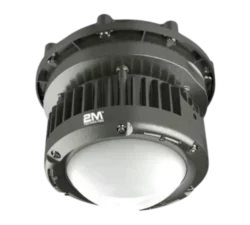
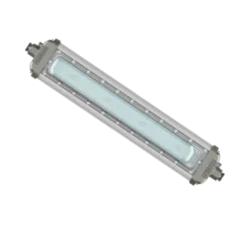
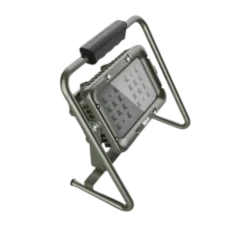
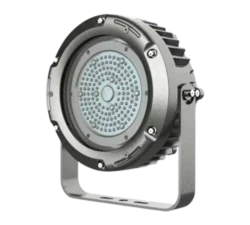
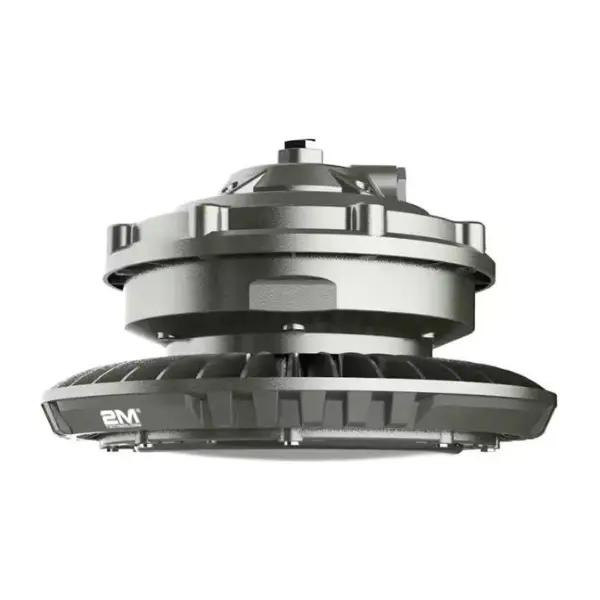
Explosion Proof Lighting

Explosion-proof lighting is essential for industries operating in hazardous locations where flammable gases, vapors, or dust are present. These specialized lighting solutions are designed to contain any sparks or heat generated within the fixture, preventing ignition of external explosive substances and ensuring working safety.

Safe Lighting

Safely illuminate hazardous locations without increasing the risk of fire or explosion.

Durable Construction

Made from stainless steel and resistant to water, dust, corrosion, and impact.

Improved Visibility

Illuminates dark areas, reducing the risk of accidents due to poor lighting conditions.

Industry Compliance

All lights meet strict safety and certification standards for use in hazardous locations.

All Products

Types of Explosion Proof Lighting

Light Type Light Spread Key Feature Best Application
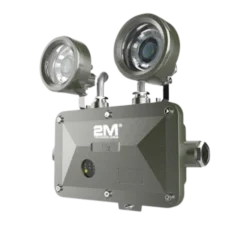
Emergency Lights Wide, even coverage Built-in battery backup systems ensure continuous operation when main power drops. Illuminating critical egress pathways and safe zones during total facility power failures.
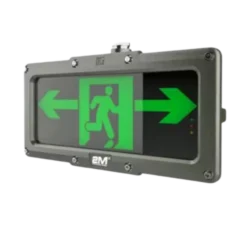
Exit Signs Highly visible, direct lettering Fail-safe internal batteries and ultra-bright LEDs for visibility through thick smoke. Clearly marking safe evacuation routes, stairwells, and exterior doors.
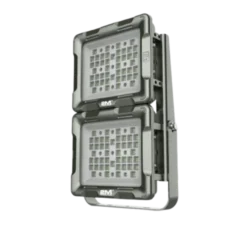
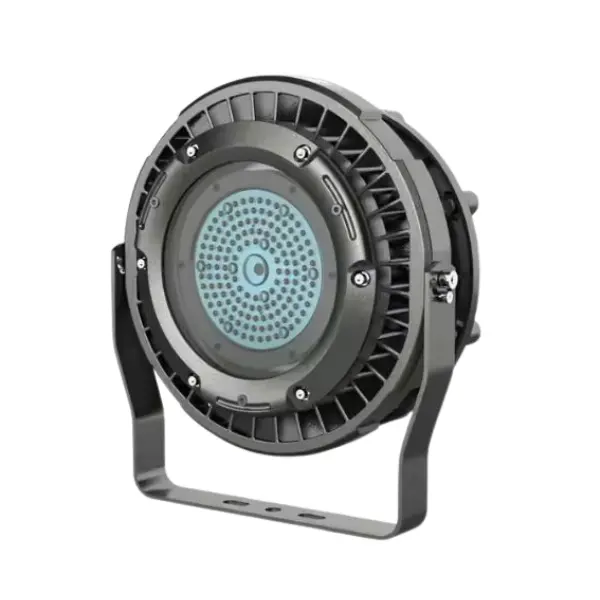
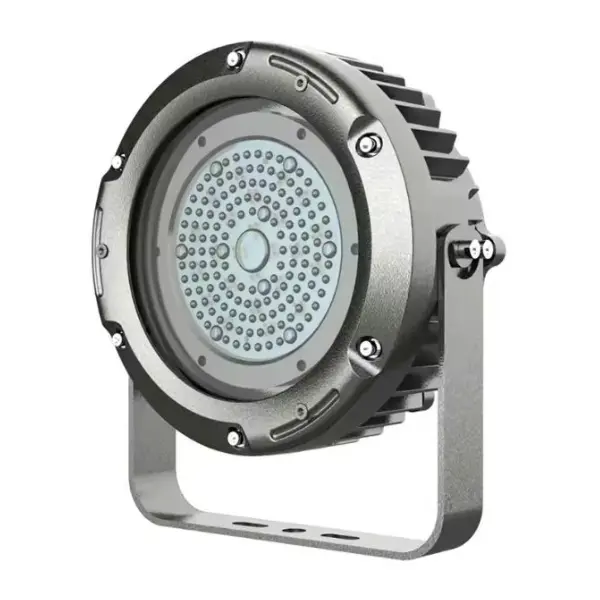
Floodlights Wide, high-intensity wash Adjustable trunnion brackets allow operators to angle massive lumen outputs exactly where needed. Broad illumination for expansive outdoor tank farms, refinery yards, and loading docks.
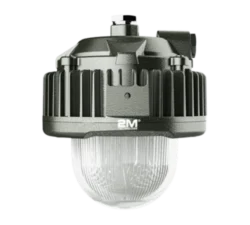
Hanging Lights 360-degree downward ambient Suspended pendant designs allow for flexible drop heights to clear structural obstructions. Localized ambient lighting over pedestrian walkways, catwalks, and specific workstations.
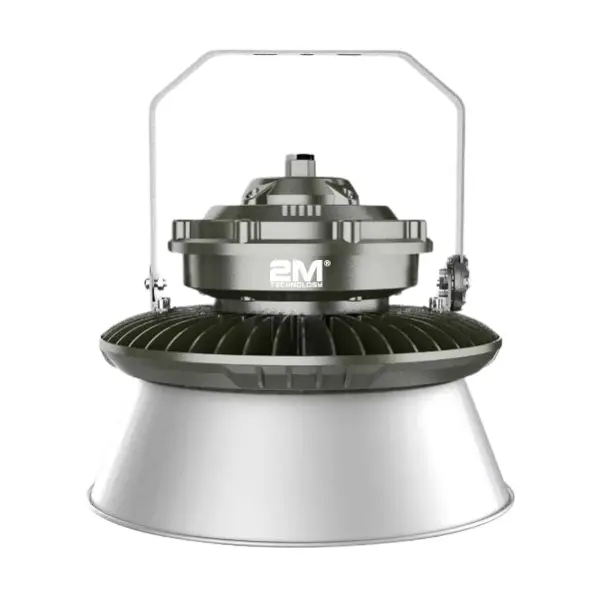
High Bay Lights Focused, high-penetration downward Intense vertical throw designed to punch through high-dust environments to reach the factory floor. Illuminating massive indoor facilities, aircraft hangars, and warehouses with ceilings over 20 feet.
Linear Lights Elongated, wide lateral spread Low-profile structural footprint ideal for replacing older, fragile fluorescent tube fixtures. Lighting low-clearance hallways, control rooms, and narrow industrial corridors.
Portable Lights Adjustable, localized focus Battery-powered or tethered mobility allows technicians to safely bring light directly into the hazard zone. Temporary task lighting for maintenance crews working inside confined holding tanks or vessels.
Spotlights Narrow, highly concentrated beam Extreme long-range light throw that easily cuts through heavy fog, steam, and manufacturing dust. Highlighting specific critical machinery, valves, or distant structural points for inspection.
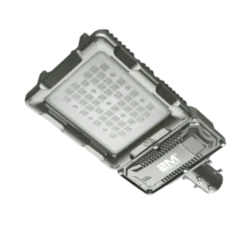
Street Lights Asymmetric lateral spread Engineered to push light sideways along a path to eliminate dark spots between light poles. Illuminating industrial access roads, perimeter fencelines, and massive parking structures.

Frequently Asked Questions

Explosion-proof lighting is necessary if your facility operates in an environment where flammable gases, vapors, or dust are present. These lights are required by safety regulations to prevent accidental ignition, reduce the risk of fire or explosion, and protect workers and equipment.

Explosion-proof lights work by enclosing all electrical components in a heavy-duty, sealed housing, usually made of durable materials like aluminum or stainless steel. If a spark or small explosion occurs inside the fixture, the enclosure contains it and prevents it from escaping and igniting any flammable substances in the area. The housing also dissipates heat safely to reduce the risk of ignition from high temperatures.

“Safe area lighting” is a broad term for any lighting used in dangerous environments. “Explosion-proof” is a specific type of lighting that’s built to contain internal explosions. All explosion-proof lights are for hazardous locations, but not all safe area lights are explosion-proof (some may be intrinsically safe or dust-ignition-proof instead).

Yes, explosion-proof lights should be certified to meet safety standards for hazardous areas, such as ATEX (for Europe), UL (for the U.S.), or IECEx. These certifications ensure that the lights have undergone rigorous testing and meet the necessary safety requirements.

When selecting an explosion-proof light, here are some factors to consider:

  • Hazardous area classification: Find out what your site’s classification is (e.g., Class I, Division 1 or Zone 1). This determines the level of protection your light fixture must provide and the required certification.
  • Lighting requirements: Consider the brightness needed (lumens), light distribution (wide vs. narrow), color temperature, and CRI (Color Rendering Index) based on the task or area.
  • Environmental conditions: Look at factors like temperature extremes, moisture, dust, corrosion, and vibration. Pick a fixture with a suitable IP rating and NEMA enclosure type for protection.
  • Mounting style: Choose a fixture designed for your mounting location: ceiling, wall, pole, pendant, or portable/work light. Some sites also need adjustable brackets for directional lighting.
  • Certifications and compliance: Only choose fixtures with proper certifications such as UL844, ATEX, or IECEx, clearly marked on the product to comply with safety regulations.

If you’re unsure, get in touch with one of our security experts for advice on selecting the best lighting for your needs.

Learn More About Explosion Proof Lighting

Need Explosion Proof Lighting for Your Hazardous Location?

Tell us your site type, hazardous area classification, and special lighting needs — we'll send a detailed quote within 24 hours.